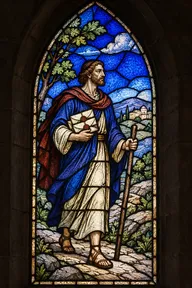












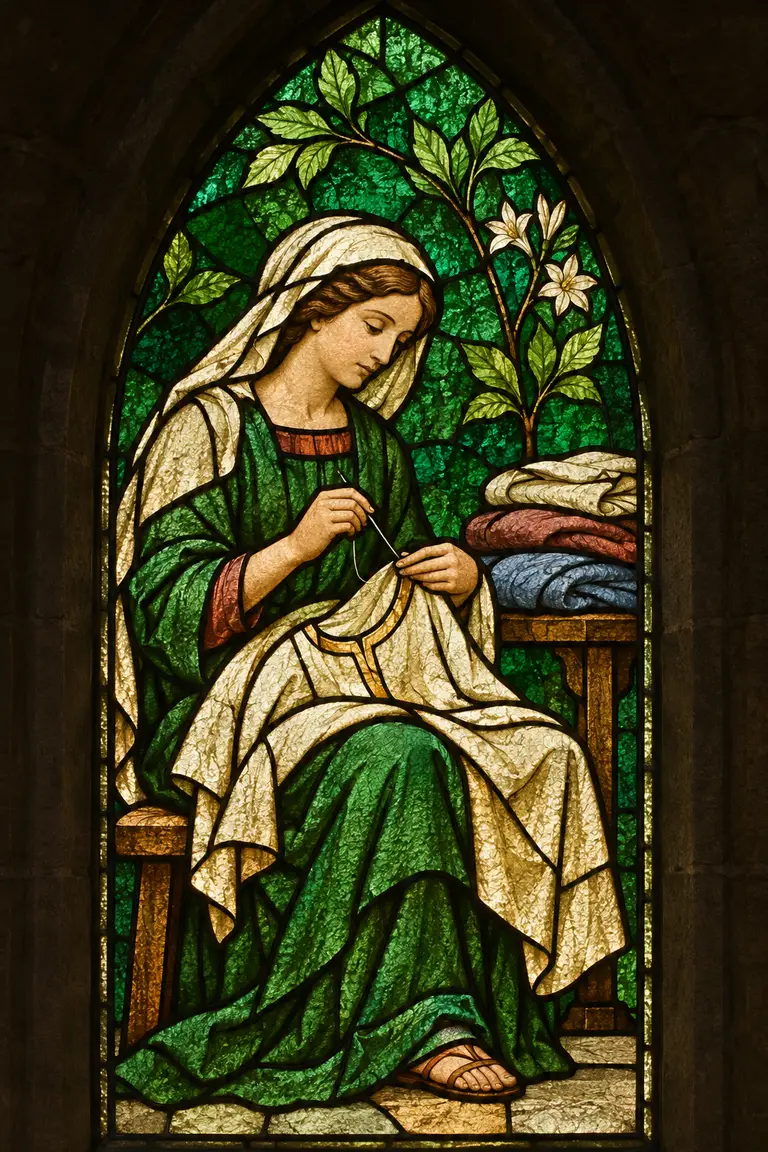
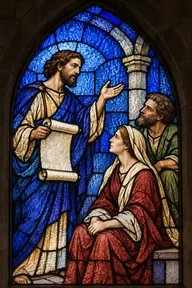
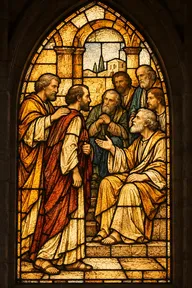
Dorcas in stained glass

Dorcas The Caregiver

Shows up with a hot meal, a ride to the clinic or whatever a neighbor needs.

Acts 9:36-39

Serving like Dorcas today

When a family brings a baby home or a member comes home from the hospital, members who serve like Dorcas sign up for meals early. They drive widows to early doctor’s appointments, fold laundry for a worn-out mother and sit for hours in a surgery waiting room so a husband does not wait alone.

They do it cheerfully, as Paul asks in Romans 12:8. When Dorcas died, the widows of Joppa showed Peter the tunics and other clothing she had made. In a church with members like this, people can point to meals, rides and visits that were never announced.

What others notice

  • They bring meals to members who are sick, grieving or welcoming a new baby.
  • They drive older members to the doctor, the pharmacy or the grocery store.
  • They visit homebound members, hospital rooms and nursing homes.
  • They notice practical needs around a family that most people walk right past.
  • People at church call them early when a household hits a crisis.

The duty every Christian shares

Paul urges all believers to do good to everyone whenever we have the chance, starting with our own brothers and sisters in Christ.

10Therefore, as we have opportunity, let us do good to everyone, and especially to the family of faith.
Galatians 6:10(BSB)

The temptation to watch for

Stepping into other people’s grief and sickness week after week can wear you down until resentment creeps in. Paul wrote to tired helpers, "Let us not grow weary in well-doing, for in due time we will reap a harvest if we do not give up." Let others share the load, take real rest, and remember that you serve the Lord.

9Let us not grow weary in well-doing, for in due time we will reap a harvest if we do not give up.
Galatians 6:9(BSB)

Who Dorcas needs: Apollos

Serving beside someone who opens Scripture well, like Apollos, keeps your own soul fed between hospital visits and hard phone calls. It also helps make sure the neighbors you care for hear the gospel along with the casserole.

Apollos needs Dorcas in turn.

Places to serve

  • Cooking for the meal train for sick, grieving and postpartum families
  • Driving members to doctor’s appointments and treatments
  • Visiting shut-ins and members in hospitals or nursing homes
  • Helping the deacons with benevolence needs under their direction
  • Serving in the church nursery rotation

A four-week trial

Commit to one hands-on act of mercy each week for a month, such as delivering a meal or driving a homebound member to an appointment. Ask a deacon which households need help right now, jot down how each family is holding up, and meet back with him after four weeks to pass along what you noticed.

Tabitha of Joppa and her daily mercy

Luke introduces her as "a disciple named Tabitha (which is translated as Dorcas)" from Joppa, a port town on the coast of Judea. Tabitha was her Aramaic name and Dorcas her Greek one, and both mean gazelle. In the Greek New Testament she is the only woman called by the feminine form of the word disciple.

Luke skips her age, her wealth and her family, and sums up her life in one plain sentence: she "was always occupied with works of kindness and charity." Her care for the poor was a daily habit.
Widows holding up her handiwork

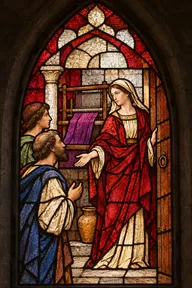
When Dorcas fell ill and died, the believers in Joppa washed her body, laid her in an upper room and sent two men to nearby Lydda to bring Peter. Once Peter went upstairs, "All the widows stood around him, weeping and showing him the tunics and other clothing that Dorcas had made while she was still with them."

Widows in the first century often had no steady income. Dorcas had made clothing with her own hands, and when she died the widows stood around Peter holding it.

Peter raises Tabitha in the upper room

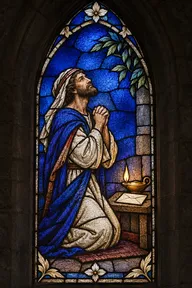
Peter sent everyone out of the room, knelt to pray, and turned to the body: "Tabitha, get up!" She opened her eyes, saw Peter and sat up, and he called the saints and widows back in and presented her alive. "This became known all over Joppa, and many people believed in the Lord."

That miracle belonged to the apostolic era, when God laid the church’s foundation (Ephesians 2:20) and confirmed the preached gospel with signs and wonders (Hebrews 2:3-4). Today the church holds the completed Scriptures those signs confirmed, and the steady mercy Dorcas practiced with needle and thread stays with us until Christ raises all His people on the last day (John 6:40).

Hands-on mercy in a local church

Every Christian is called to do good, "especially to the family of faith" (Galatians 6:10), and some members practice mercy so reliably that the whole church knows their phone number. They fill open slots on the meal train, drive older members to dialysis on Thursday mornings, visit the nursing home and help the deacons meet urgent needs.

Keep that mercy cheerful (Romans 12:8) and stay in step with your church’s deacons, so quiet households do not slip through the cracks while visible ones get five casseroles in one night. Rest when your tank runs low, and keep Galatians 6:9 pinned near your sink.

The other eight servants

Every quiz