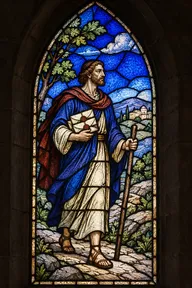












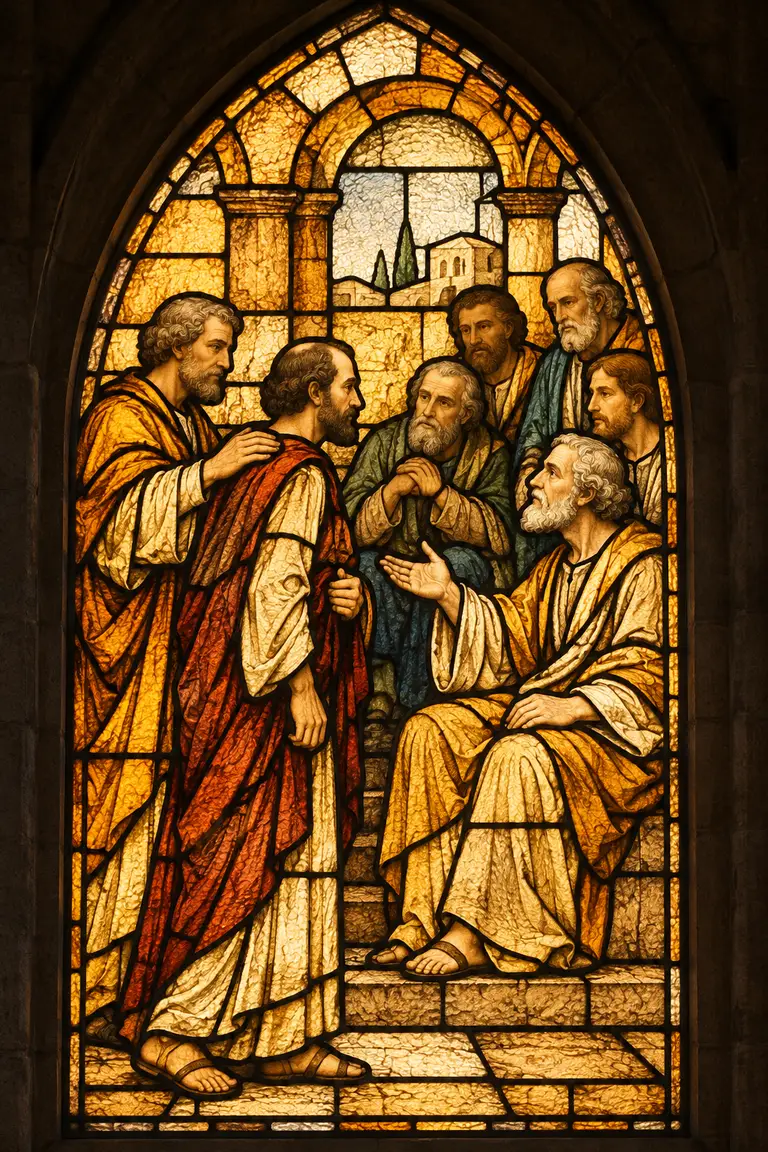
Barnabas in stained glass

Barnabas The Encourager

Notices God’s grace at work in people and tells them out loud.

Acts 4:36-37 · Acts 9:26-27 · Acts 11:22-24

Serving like Barnabas today

Members who serve like Barnabas notice what God is doing in the people around them and make sure those people hear it. They seek out the new member who looked lost after the service, the teenager who read Scripture aloud for the first time and the deacon carrying a heavy month, and they name the good they have seen. People at church keep the cards they write.

They also stand beside people others still eye with caution. When a man comes back to church after years away, they sit with him and introduce him around. Barnabas did that for Saul, and in Antioch he "encouraged them all to abide in the Lord with all their hearts."

What others notice

  • They send a note or a text after seeing someone grow in the faith.
  • They walk over to the visitor standing alone after the service.
  • People bring them hard news early, trusting them to pray and speak kindly.
  • They stand up for a member others in the church are slow to trust.
  • They name specific ways they have seen God at work in someone’s life.

The duty every Christian shares

Hebrews commands every believer to exhort one another every day so that sin’s deceit does not harden anyone’s heart.

13But exhort one another daily, as long as it is called today, so that none of you may be hardened by sin’s deceitfulness.
Hebrews 3:13(BSB)

The temptation to watch for

At Antioch, Peter stopped eating with Gentile believers "for fear of those in the circumcision group." The other Jewish believers followed him, "so that by their hypocrisy even Barnabas was led astray." Someone known for kind words can be carried along by the people around him. Say what is true even when the room has gone the other way.

13The other Jews joined him in his hypocrisy, so that by their hypocrisy even Barnabas was led astray.
Galatians 2:13(BSB)

Who Barnabas needs: Nehemiah

Serving beside someone like Nehemiah keeps warm words from turning soft. A practical organizer names what is broken, puts a real plan on paper, and reminds you that loving a brother sometimes means holding him to what he promised to do.

Nehemiah needs Barnabas in turn.

Places to serve

  • Greeting at the welcome table on Sunday morning
  • Sending handwritten notes to members who are sick, grieving or newly baptized
  • Walking alongside new members through their first few months
  • Calling members who have drifted away, at the elders’ request
  • Thanking Sunday school teachers and nursery workers by name

A four-week trial

Pick two people you saw at church each Sunday for the next four weeks and send each of them a short note that afternoon, naming one specific grace you have seen in them. Ask an elder at the start of the month who most needs an encouraging word right now, and let him know at the end of the month how those conversations went.

Joseph of Cyprus and the field he sold

Barnabas was a nickname. His given name was Joseph, "a Levite from Cyprus, whom the apostles called Barnabas (meaning Son of Encouragement)." While believers in Jerusalem were selling property so that there were no needy ones among them (Acts 4:34-35), Barnabas "sold a field he owned, brought the money, and laid it at the apostles’ feet."

Luke sets that gift right before Ananias and Sapphira, who kept back part of the money from their land while pretending to give it all (Acts 5:1-2). The first thing Acts tells us about Barnabas is that he gave.

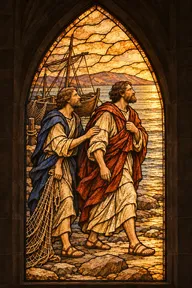
Vouching for Saul and later for John Mark

When Saul arrived in Jerusalem after his conversion, the believers "were all afraid of him, not believing that he was a disciple." They knew he had dragged off men and women and put them in prison (Acts 8:3). "Then Barnabas brought him to the apostles" and told them how Saul had seen the Lord on the road to Damascus and had spoken boldly in Jesus’ name.

Barnabas stood up for a man the church feared, and he did it by telling what God had done. Years later he stood by John Mark, who had deserted Paul and Barnabas in Pamphylia. Paul and Barnabas disagreed so sharply over Mark that they parted company (Acts 15:37-39), yet in his last letter Paul wrote to Timothy, "Get Mark and bring him with you, because he is useful to me in the ministry" (2 Timothy 4:11).

Sent to the new believers in Antioch

When news reached the church in Jerusalem that Gentiles in Antioch were turning to the Lord, the church sent Barnabas. "When he arrived and saw the grace of God, he rejoiced and encouraged them all to abide in the Lord with all their hearts." Luke calls him "a good man, full of the Holy Spirit and faith." Barnabas then went to Tarsus, found Saul and brought him back, and the two of them taught the church there for a full year. Antioch is where the disciples were first called Christians.

Luke says Barnabas saw the grace of God and rejoiced, and then he went and found a fellow teacher to serve beside him. That gentleness comes from Christ, of whom Matthew writes, "A bruised reed He will not break, and a smoldering wick He will not extinguish" (Matthew 12:20).

Encouraging members without turning to flattery

Biblical encouragement means strengthening a fellow Christian’s grip on the Lord so they keep walking with Him. That happens on a Tuesday phone call with a grieving widow, in a brief card to a teenager after baptism, or in the hallway with a young family who walked in ten minutes late and felt out of place. Naming concrete evidence of God’s grace steadies tired people far more than generic praise.

Galatians 2 sets the limit. At Antioch, Barnabas was carried along by Peter’s hypocrisy, and Paul opposed Peter to his face in front of them all (Galatians 2:11-14). Kind words that dodge the truth turn into flattery, so let your encouragement point people to Christ and tell them the truth when they start to wander.

The other eight servants

Every quiz